The good news: you can!
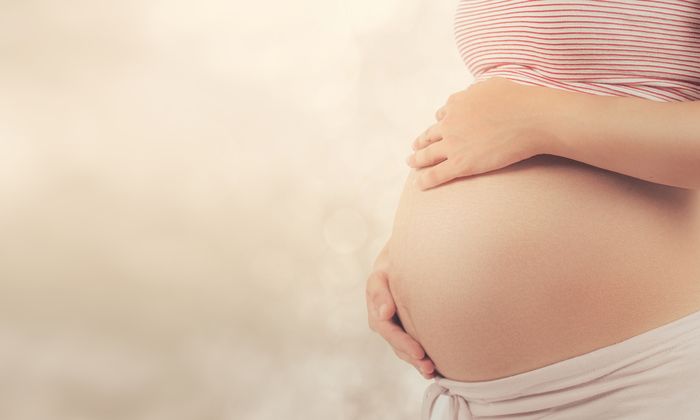
It is definitely wrong to say that pregnant women should avoid cheese altogether. Quite the opposite! Cheese contains many minerals such as potassium, phosphorus, magnesium and calcium. It is also rich in trace elements such as iron, zinc and B vitamins. Combined with a high protein content of usually 10 to 30 per cent, cheese contains many important nutrients that are extremely healthy and also important for a child in the womb.
Pregnant women should generally avoid raw foods. This includes meat, fish, but also milk and eggs. Accordingly, pregnant women should avoid raw milk cheese, soft white mould cheese and blue cheese. When making raw milk cheese, the milk is not pasteurised or heated in order to kill off possible pathogens. It is very easy to find out whether a cheese is made from raw milk or not. Cheese specialties made from raw milk must be labelled "Made with raw milk". If the cheese is bought at a cheese counter where the cheese is not packaged, it is best to ask a specialised salesperson for advice.
Background: What is listeriosis?
The problem with raw foods and raw milk cheeses is that heat-sensitive pathogens cannot be rendered harmless by any production step and are therefore still present in the food. If a pregnant woman eats such cheese specialties, there is a risk of ingesting listeriosis triggers. This infectious disease is relatively rare and usually harmless for a healthy adult. However, if it occurs in pregnant women, it could cause complications for the baby.
As a general rule, a long ripening period is a reliable indicator that cheese is safe to eat during pregnancy. This is why particularly long-ripened hard cheeses such as Parmesan, even if they are made from raw milk, are considered safe for pregnant women. Harmful bacteria that can cause listeriosis do not survive the long ripening period of hard cheese. However, caution is generally advised during pregnancy. Listeria can colonise the rind of cheese, even cheese made from pasteurised milk. It is therefore advisable to cut off the rind of any cheese consumed during pregnancy, regardless of whether it is raw milk cheese or not, so you are definitely on the safe side.
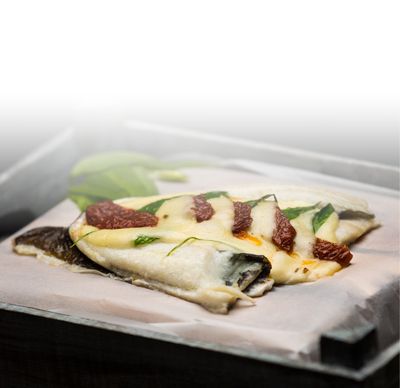
If blue cheese is cooked, for example, because it is an ingredient in a sauce, it is safe for pregnant women. The only condition: It must be heated to over 70 degrees for at least two, preferably three minutes. At 70 degrees, the bacteria responsible for listeriosis are killed. Baked camembert, dishes with gorgonzola sauce, oven cheese or pizza with a blue cheese topping can therefore also be safely consumed during pregnancy, as long as it has been ensured that the cheese has been heated for long enough.